Your security infrastructure includes access control, video management, and alarm systems. Adding baggage scanner integrations shouldn’t mean replacing everything. Athena’s AI-powered X-ray technology works with your existing setup, creating one system that enhances threat detection without disrupting operations.
Highlights:
Seamless integration with existing security infrastructure
Unified monitoring across all detection systems
Real-time threat alerts to multiple platforms
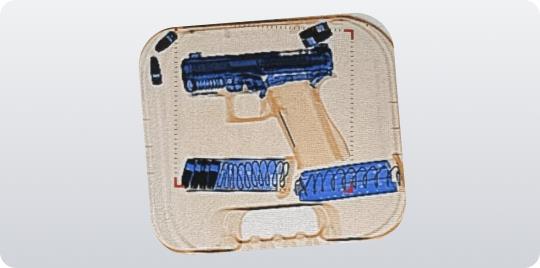
Athena Security has deployed AI-assisted X-ray solutions across airports, hospitals, and high-security facilities since 2018. Our technology has processed millions of bags, detecting weapons, explosives, and prohibited items with accuracy that surpasses traditional screening methods.
Unlike standalone baggage scanners that create data silos, our platform connects every security component. The AI detects threats and instantly alerts your weapons detection system, access control, and security personnel through platforms you already use. Your operators get comprehensive visibility without switching interfaces.
Our AI-assisted X-ray technology integrates with your facility’s existing security systems to create comprehensive screening coverage. Airports, hospitals, and government facilities monitor baggage, packages, and parcels through one unified platform that detects firearms, knives, explosives, and dangerous items.
The technology uses computer vision to analyze X-ray images as bags pass through. When potential threats appear, the AI instantly alerts your security team through tablets, mobile apps, and third-party systems you already have deployed. Your operators maintain control while AI provides continuous monitoring.
Integration extends beyond baggage scanners to include your weapons detection systems, visitor management, and access control. Facilities monitor all entry points from one central console. When the X-ray scanner detects a threat, it automatically triggers responses across your entire security infrastructure.
The system supports integration with major security vendors and custom API connections for specialized equipment. Your team receives synchronized alerts regardless of which detection technology identifies the threat. This unified approach reduces response times and ensures nothing slips through gaps.
Our workforce multiplier technology allows one operator to monitor both baggage X-ray scanners and weapons detection systems simultaneously. This integration reduces staffing requirements at security checkpoints while maintaining comprehensive screening coverage without increasing personnel costs.
The integrated console displays X-ray feeds alongside weapons detection alerts, visitor management status, and access control events. AI prioritizes alerts based on threat level, so your operators focus where it matters most. The system maintains detailed logs supporting compliance requirements.

Security leaders at Duke Health, Memorial Hermann, and Lamar Consolidated ISD trust Athena to protect their people. See why hospitals, schools, and government buildings choose our platform. Book a 30-minute demo and we’ll show you exactly what our concealed weapons detection system can do for your facility.
You schedule an integration consultation, and our specialists assess your current security setup within 24 hours. We review your baggage scanners, access control systems, video management platforms, and monitoring processes to identify integration opportunities.
We create a detailed integration plan showing how our AI X-ray technology connects with your existing systems. Your team receives documentation covering API connections, alert routing, and operator workflow changes before any installation begins.
Our engineers configure the integration based on your facility’s specific requirements. We ensure baggage scanner alerts reach the right personnel through your preferred platforms while maintaining compatibility with legacy systems.
We install and integrate during off-peak hours so your security operations continue without interruption. Our team tests all connections, verifies alert routing, and confirms that data flows correctly between systems.
Your security personnel receive hands-on training covering the integrated platform, alert management, and system monitoring. We stay on-site for two days post-installation and provide 24/7 technical support for any integration questions.
Modern facilities face unique obstacles when trying to create comprehensive security coverage. Traditional baggage scanners operate independently from other security systems, forcing operators to monitor multiple screens and manually coordinate responses when threats appear.
Baggage scanners, weapons detection, and access control operate separately, requiring security personnel to manually correlate alerts and coordina.
Our unified integration platform connects all security systems, automatically triggering coordinated responses when any component detects a threat.
Security personnel monitor multiple screens simultaneously, increasing fatigue and the likelihood of missing critical alerts during high-traffic periods.
AI prioritizes alerts across all integrated systems and presents them through one interface, reducing cognitive load while ensuring operators see every threat.
Manual communication between X-ray operators and secondary screening teams delays response times when dangerous items appear in baggage or parcels.
Automated alert routing instantly notifies the right personnel when threats are detected, cutting response times from minutes to seconds.
Limited budgets force facilities to choose between upgrading baggage scanners or weapons detection systems, leaving gaps in comprehensive security screening.
Our modular integration approach lets you enhance one system at a time while maintaining connectivity across your entire security infrastructure.
Different security systems generate separate logs, making it difficult to compile comprehensive reports for audits and regulatory compliance reviews.
The integrated platform creates unified compliance documentation showing all screening activities, detections, and responses in one centralized database.
Separate monitoring stations for baggage scanners and weapons detection require more security personnel than facilities can afford to deploy.
Workforce multiplier technology allows one operator to monitor multiple systems, reducing staffing requirements while improving overall security coverage.
Many security directors delay baggage scanner integration, assuming separate systems provide adequate protection or waiting for budget cycles to align. But disconnected security infrastructure creates exploitable gaps that determined threats will find. Every day without integration exposes your facility to preventable risks, and the costs of maintaining isolated systems compound faster than you expect.

When baggage scanners can't alert weapons detection operators automatically, threats pass undetected. Facilities average 3-7 coordination failures annually, each triggering investigations that consume hundreds of staff hours and damage your security credibility.
Separate monitoring stations require 2-3x more personnel than integrated systems. Your facility spends an extra $180,000 annually in staffing, with overtime costs spiking during peak periods when all checkpoints need coverage.
Regulators require coordinated security documentation. Disconnected systems create incomplete records, triggering $50,000-$150,000 penalties plus mandatory remediation costs that often exceed the original integration investment.
Manual alert coordination takes 2-3 minutes between X-ray operators and security teams. During those critical seconds, subjects carrying weapons reach secondary checkpoints or exit your facility before security can intercept.
You need a platform that catches threats before they enter your facility. Athena’s AI-powered system works with the hardware you choose while adding intelligent oversight that traditional metal detectors lack. Our technology helps you meet DHS best practices, reduce staffing gaps, and document every screening for compliance auditing.