

Athena Security logoOleo Bone
Schedule Demo

Podcast

Catch up on the latest Athena webinars and podcast 

Security Heroes Podcast Trailer

Who is Responsible For Product Liability For Weapons Detection

This Article is not to be construed as legal advice When researching and selecting a Weapon Detection Technology, it’s essential to consider the competency of design, confidence in manufacturing to the intended design, and the commitment by the brand to do the right thing. This can be summarized as the essence of product liability. Product liability in the United States generally refers to the legal responsibility that manufacturers, distributors, suppliers, and retailers have for the products that they put into the hands of consumers. There are three main types of product liability claims that businesses who purchase weapon detectors may face: Manufacturing Defects: These occur when a product is not made according to its intended design and is different from other products of the same line. The defect makes the product more dangerous than expected by consumers. In such cases, the liability typically falls on the manufacturer. For example, if a batch of a particular electronic device was assembled with faulty components, leading to a safety hazard, the manufacturer could be held liable for any resulting injuries or damages. Tip: Make sure to test the system when it arrives in your possession. Test according to a recognized government or international security standard like the National Institute of Justice standards. Design Defects: Design defects are inherent flaws in a product’s design that make it unreasonably dangerous, even when manufactured correctly. In these cases, every item of the product line may be affected. The responsibility usually lies with the designer or the entity responsible for developing the product’s design. An example could be a piece of furniture with a design flaw that causes it to collapse easily, leading to potential injuries for consumers. Tip: Make sure to test the system during the purchasing process, as well as when it arrives in your possession. Test according to a recognized government or international security standard like the National Institute of Justice standards. Failure to Warn (Marketing Defects): A failure to adequately warn or provide proper instructions for the safe use of a product can lead to liability. If a product requires certain precautions or has potential risks that are not adequately communicated to consumers, the business could be held responsible for resulting injuries. This type of liability often applies to manufacturers and distributors. For instance, a medication that does not provide clear warnings about potential side effects could lead to a failure to warn claim. Tip: Google search the manufacturer and distributor for lawsuits. Also, make sure that legal language does not obstruct other users from voicing concerns. For instance, make sure a contract does not include a disparagement clause. It’s essential for businesses to take product liability seriously when buying a weapon screening technology, and ensure that quality control measures are in place, conduct thorough product testing, which includes a government security standard like NILECJ or ASTM, and provide clear warnings and instructions for safe usage. Being aware of and addressing potential product liability issues can help


Newport News and Utica with Weapons-Detection Lessons

The January 6 shooting of an elementary school teacher in Newport News, Virginia, by a 6-year-old student has left the country aghast—especially since school officials were warned four times that day that the first grader had a gun, yet failed to find it in a search. The school district has since announced that it will purchase walk-through metal detectors for each school in the city. In the meantime, the Utica (New York) school district is replacing a multimillion-dollar weapons detection system after a student smuggled a knife past the detector into a high school and stabbed a classmate. Reportedly, the superintendent who approved the purchase mistakenly believed the system would detect knives. Utica Schools is looking for a more comprehensive weapons-detection solution. So much went wrong in both cases. The common theme, however, is the absence of appropriate security policies, procedures, and standards in the schools. Let’s hope that the selection, testing, purchase, installation, use, and maintenance of the technology in these two school systems, as well as staff training, exceed the apparent level of care applied to responding to alerts about responding to a boy with a gun or choosing a detection system in the first place. Administrators in both Newport News and Utica should understand that effective walk-through weapons-screening systems must balance the competing needs of speed, limited resources, and effectiveness. As administrators learned in both cases, the ability to find every type of weapon they are looking for is paramount. Here are the key factors that that both districts should be considering: Compliance with federal accuracy standards (zero false negatives): The current standard for walk-through weapons detection is embodied in NIJ Standard–0601.02 (2003), which superseded a version from the year 2000—which itself superseded the original 1974 standard (NILECJ-STD-0601.00 Level 1 and 2). According to that standard, the system must be able to detect a 6.35 mm (0.25 in) caliber pistol up to 2.54 cm (1.0 in) from the surface of the weapon carrier’s body. In practice, that means 100 percent detection of guns, rifles, and bombs. The standard also provides detection requirements for smaller objects containing less metal, such as knives and razor blades. If you buy a system that follows a standard then you will catch the items you are looking for when you set the WDS to the correct standard to find the knife or weapon. High-efficiency (minimal false positives): As every police department and company with an alarm system knows, false positives erode the value of security systems. Besides causing delay, backup, and expenditure of staff time and resources, they undermine faith in the system. In such cases, operators come to expect alerts to be erroneous, making their follow-up searches laxer or even perfunctory and performative. In the worst cases, operators simply assume all alarms are false, leading to complacency and adjustments to make the detection technology less sensitive. However, if the school is trying to detect knives, boxcutters, or similar items, it will likely have to heighten system sensitivity, increasing the number of false positives and

How Signage Facilitates Weapons Screening

Weapons Detection Signage: How to Inform Visitors and Improve Screening Efficiency Author: Michael Gips Background on signage for your organization  Are you using proper signage to inform, prepare, and guide entrants to your facility? Proper signage plays an especially important role in advising individuals about organizational weapons policies as well as the presence of weapons detection systems (WDSs) and the preparations necessary to pass through checkpoints smoothly, efficiently, and safely. Key Tips for Proper Signage: Are you using the right signage to inform, prepare, and guide visitors entering your facility? Effective signage plays a critical role in supporting weapons detection systems (WDS) by clearly communicating your organization’s policies and preparing guests for the screening process. When done correctly, signage improves throughput, enhances safety, and reduces liability—all while creating a smoother entry experience. Why Weapons Detection Signage Matters Proper signage is one of the most important—and often overlooked—components of a successful security program. It ensures that visitors understand expectations before they reach the checkpoint, helping reduce confusion, delays, and unnecessary secondary screening. More importantly, signage is a critical legal and risk management requirement for organizations. Without proper, clearly displayed signage that complies with local and state laws, your organization may lack the authority to enforce weapons restrictions. In certain jurisdictions, this means individuals may legally carry a firearm onto your property—even if you have a weapons detection system in place. This creates a serious liability exposure. If signage is not properly posted, security personnel may be unable to require a visitor to remove or surrender a weapon, and any attempt to do so could lead to legal challenges against your organization. In the event of an incident, failure to follow signage requirements can be viewed as a breakdown in duty of care, increasing the risk of lawsuits, regulatory issues, and reputational damage. Key Benefits of Proper Signage Prepares guests before arrival – Visitors know what to expect before reaching the entry point Improves screening efficiency – Reduces bottlenecks and speeds up entry Supports staff operations – Minimizes the need for repeated instructions from security personnel Enhances safety and compliance – Clearly communicates weapons policies and legal requirements Signage and Legal Compliance For facilities that prohibit firearms or other weapons, clear and compliant signage is essential. Many state and local laws require organizations to post notices at every entrance to legally enforce weapons restrictions. Without proper signage, individuals—whether licensed or unlicensed—may legally carry weapons into your facility depending on jurisdiction. Example: Texas Weapons Signage Requirements Texas provides one of the most detailed examples of signage regulations. To prohibit firearms, businesses must post signage that: Includes specific legal language (e.g., Section 30.05, Penal Code) Is displayed in both English and Spanish Uses contrasting colors with block letters at least one inch high Is placed in a clearly visible and conspicuous location at each entrance Additional laws apply depending on whether firearms are licensed, unlicensed, concealed, or openly carried, making compliance even more complex. Certain facilities—such as bars deriving 51% or more of revenue from alcohol—must

Good AI Bolsters Security: By Streamlining Secondary Screening with Accuracy and Respect

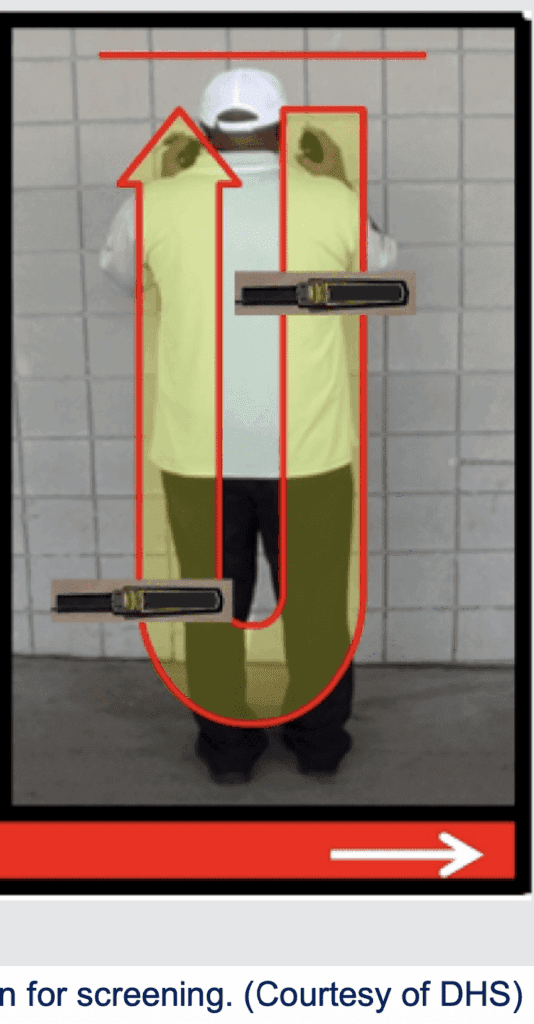
The U-Shape Method: Efficiency Meets Respect (Courtesy of DHS) Secondary screening process is a crucial step in ensuring safety at hospitals, airports, casinos, schools, government buildings, and other sensitive locations after a Concealed Weapons Detection System detects an object and visitor must be secondary screened. Traditionally, this process relied on well-trained security officers performing pat-downs and or hand wand processing. While effective, human error and discomfort can arise. Here’s where Artificial Intelligence (AI) steps in, offering a powerful tool to enhance secondary screening accuracy and maintain a respectful environment. The U-shape method is a recognized best practice by Homeland security for secondary screening. This approach involves the officer systematically scanning a person’s body in a U-shape pattern, starting from the top right shoulder and moving down the right side, reaching the bottom of the feet, then back up the left side, completing the “U.” This method offers several advantages: Efficiency: The U-shape ensures a comprehensive scan without missing areas. Accuracy: The systematic approach minimizes the risk of overlooking potential threats. Respect: The U-shape avoids unnecessary physical contact, especially in sensitive areas like the groin or chest Your Team Has a New Partnerwith Athena’s Patented AI Helping You Good AI Bolsters Security Athena’s Patented AI can be a valuable asset in secondary screening by assisting officers in performing the U-shape method correctly. Here’s how: Real-time Guidance: AI can be integrated into a wearable system or tablet, visually guiding the officer through the U-shape pattern. Subtle prompts or visual overlays can ensure they don’t deviate from the proper technique. Error Detection and Correction: AI can analyze the officer’s movements during the pat-down. If the system detects deviations from the U-shape, it can provide immediate audio or visual alerts, allowing for course correction. Training Reinforcement: Data collected by AI can be used to identify areas where officers might need additional training on the U-shape method. This allows for targeted training programs, improving overall screening consistency. Benefits Beyond Accuracy The advantages of AI-assisted U-shape screening extend beyond just improved accuracy. Reduced Risk of Lawsuits: The U-shape method’s respectful approach minimizes physical contact, potentially reducing situations where a person feels violated, leading to legal action. Enhanced Passenger Experience: A faster, more streamlined screening process with clear guidelines contributes to a smoother experience for passengers. The Future of Security: Collaboration is Key Athena Weapon Detection System Good AI is not meant to replace security officers; it’s designed to empower them. By providing real-time guidance and ensuring adherence to best practices, AI strengthens the effectiveness of secondary screening. This collaborative approach fosters a future of good AI. Another example of Good AI just released is how Athena can help stop accidental radiation exposure using X-Ray systems for better Patient Safety

Buying Weapon Detection System for Schools? Read This First

Buying Weapon Detection System for Schools? Read This First Background on WDS On January 4, 2024, the first day of school after winter break, Perry High School, Iowa saw a shooting incident that tragically claimed the life of a student and injured five others. This incident was one of seven K-12 school shootings the country has seen in January 2024. These shootings have cost two lives and left 14 people injured. Shockingly, there have been over 189 school shootings since 2018 that have cost the lives of over 120 people and injured 330+ people. The stats are unsettling. You could take a  deeper dive  into the data, but an underlying fact remains the same. Schools are grappling with ensuring the safety and security of students and staff. And something needs to change. While implementing weapon detection systems at schools is one of the most effective ways of preventing gun violence, it isn’t that straightforward. Schools must consider the costs, privacy, legal and ethical considerations, among other aspects while liaising with the stakeholders. All these issues make weapon detection system implementation a significant hurdle for schools. In this article, we address these concerns. We’ll also share the basics of weapon detection systems, how to evaluate your school’s needs, and pick a system that fits your needs. What is a Weapon Detection System (WDS)? A Weapon Detection System (WDS) is a form of security system that uses a combination of hardware and software to detect weapons such as lethal firearms, explosives, tactical knives, etc. These systems are widely installed in private and public spaces such as schools, airports, healthcare facilities, government buildings, and stadiums. The advancements in weapon detection technology have brought about some significant improvements. Object and motion sensors, Millimeter wave, thermal imaging cameras, acoustic sensors, and AI technologies combine to create state-of-the-art WDS capable of identifying even concealed weapons. Newer weapon detection systems also consist of facial recognition or biometric technology, which scans individuals’ faces, fingerprints, or irises and compares them against the database of criminals. If a match is found, the security is notified to take appropriate measures. Now that we’ve understood the basics of WDS, let’s look at the five commonly used types of weapon detection systems: 1. Metal Detectors Metal detectors are perhaps the most commonly used WDS. These devices emit electromagnetic fields, and when a metal object is in its surroundings, it creates a secondary electromagnetic field. The secondary electromagnetic field (the presence of a metal object) disrupts the device’s electromagnetic field, causing the alarm to go off. This is how metal detectors identify the presence of guns, knives, and other metal weapons. 2. AI X-ray Baggage Scanners X-ray baggage scanners use ionizing radiation to create images of luggage, purses, backpacks, etc. The X-ray beam passes through the luggage onto the other side of the scanner. Different materials absorb the beam at varying rates, with metals absorbing more X-rays than other materials. This difference helps the scanner create a comprehensive image of the metal object. As a result, X-ray scanners help

Athena’s A.I. Elevates Secondary Screening: Accuracy and Efficiency.

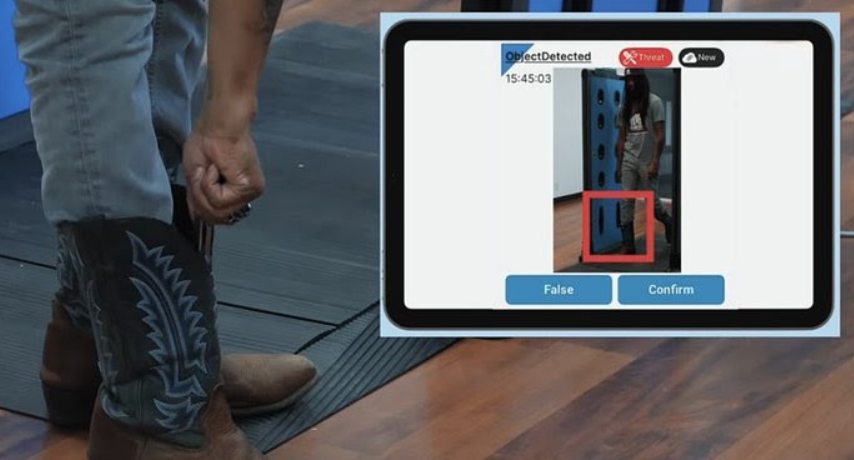
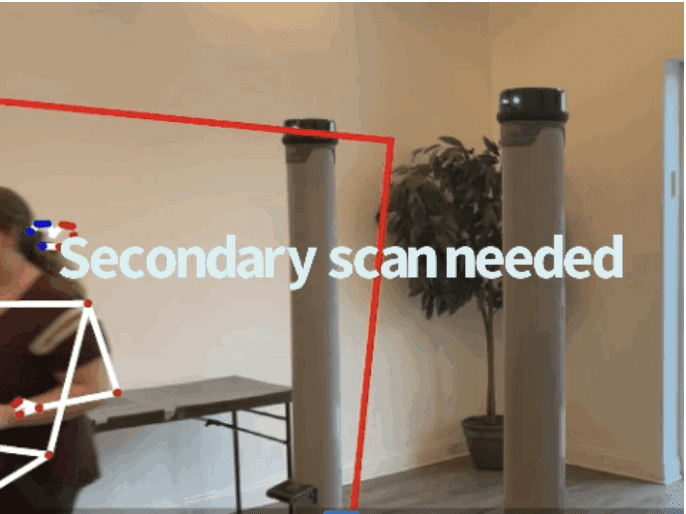
Robust security protocols are paramount to safeguard facilities and individuals. Secondary screening plays a vital role, yet it can be subject to human error and inefficiencies. Artificial Intelligence (A.I.) offers a transformative solution, augmenting security officers’ capabilities for enhanced precision and adherence to best practices. The Role of AI in Secondary Screening While walk-through metal detectors (WTMDs) and Concealed Weapons Detection Systems (WDS) identify overt threats, secondary screening is indispensable when anomalies are detected. The Department of Homeland Security (DHS) provides comprehensive guidelines for effective screening in documents like: Patron Screening Best Practices Guide (CISA) Best Practices in Anti-Terrorism Security (BPATS) Tier III AI bolsters these processes in the following ways: Hand-wanding Enhancement: AI integrated into hand-held wands guides officers for accuracy and consistency. Learn more: WTMD and WDS Rescreening Enforcement: AI monitors visitor flow and alerts officers if a person who sets off the WTMD fails to walk through again after their belongings are checked. This ensures compliance with DHS recommendations. Data-Driven Training: AI tracks instances where reminders are needed, identifying areas for targeted training of security personnel. Benefits Beyond Security AI-powered secondary screening delivers advantages that extend beyond threat detection: Risk Mitigation: Thorough rescreening demonstrates due diligence, minimizing legal liability in potential incidents. Proactive Security Posture: AI’s vigilance enhances deterrence and overall security. Streamlined Experience: Reducing pat-downs when possible, while upholding security standards, can enhance visitor satisfaction. The Future: Human-Machine Collaboration AI is designed to empower security professionals, not replace them. By ensuring adherence to DHS best practices, minimizing errors, and providing data-driven insights, AI creates a collaborative environment where humans and technology work in tandem for optimal safety and protection.

Athena A.I. Takes Evasion Seriously: Athena Security’s

Athena A.I. Takes Evasion Seriously: Athena Security’s

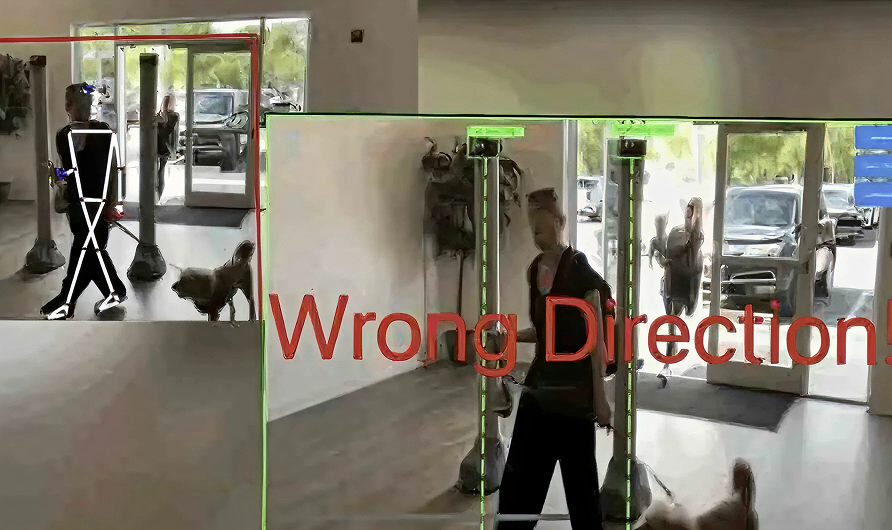
Security technology is constantly evolving, and keeping up with potential threats is paramount for any organization. Metal detectors play a vital role, but what if someone tries to bypass them altogether? Athena Security has developed a patented AI-powered feature that addresses this very concern, ensuring no individual with a potential weapon slips through the cracks. Evasion: A Real Security Risk In busy environments, it’s possible for someone to walk around a metal detector, especially if security personnel are momentarily distracted. Whether accidental or deliberate, this evasion poses a significant security risk. Traditional systems may fail to catch this subtle form of bypassing the screening process. A Concerning Trend The risk of security evasion is very real. According to a recent TSA study reported in The Washington Post, approximately 300 people successfully bypassed airport security systems in the last 12 months [https://www.washingtonpost.com/travel/2024/04/04/airport-security-tsa-stowaway/]. This highlights the ongoing need for vigilance and advanced detection technologies. Athena Security weapons Detection System Answer: AI-Powered Body Tracking with Lidar and camera sensors Athena Security’s weapons detection system is equipped with a unique, patented evasion detection feature that leverages cutting-edge body tracking AI. Here’s how it works: Real-time Body Tracking: Using AI-powered body tracking technology, the system continuously monitors the movements of people around the Weapons detection system / walk through metal detector. This allows for a nuanced understanding of their actions. Evasion Detection: The AI analyzes the body movements and identifies individuals attempting to bypass the screening area. Instant Alert with Image: If evasion is detected, the system immediately sends an alert with an image of the individual to the operator. This prompts swift action to escort the person back to the metal detector for a proper screening. Data-Driven Insights: AI tracks evasion occurrences, helping identify potential patterns or areas where the security setup might need adjustment to prevent future attempts. Why This MattersEvasion detection provides several crucial advantages: Closing the Security Gap: This feature fills a critical gap in standard metal detector systems, leaving no room for someone to bypass screening and potentially bring a weapon into the facility. Deterrence: The knowledge that evasion will be immediately detected acts as a powerful deterrent. Liability protection: Demonstrating a proactive approach with this cutting-edge technology can mitigate legal risks in case an incident were to occur. AI as the Security Game-Changer While no technology is foolproof, Athena Security’s evasion detection significantly raises the bar. It’s another example of how AI is not just automating existing processes but identifying and addressing new security challenges in innovative ways. By minimizing the chance of an armed person entering a protected zone, this feature offers unparalleled peace of mind to both the organization and the people they serve. Note: To further enhance your understanding of Athena’s capabilities, you can find more information on their official website 

Generative A.I. Revolutionizes VMS Security

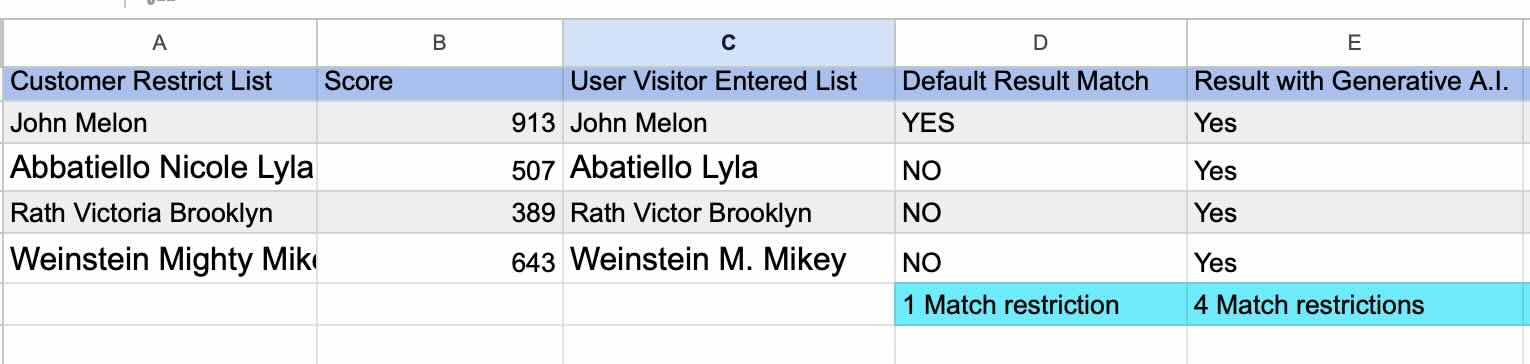
Generative A.I. helps name matching to reduce your risk while increase customer satisfaction Lowering Liability & Increasing Customer Satisfaction Visitor Management Systems (VMS) play a crucial role in maintaining security and privacy to your visitors PII and PHI information, in healthcare facilities. However, the critical function of name matching within VMS often faces significant challenges, particularly when dealing with watchlists, do-not-disturb lists, or protected health information (PHI). Generative A.I. to could be the answer to this problem. Real-World Example: Protecting Patient Privacy Imagine a scenario where a patient restricts a specific visitor. If the visitor uses a preferred name different from their official ID, a traditional VMS might fail to identify the restriction. Athena’s generative AI-powered name matching, however, can successfully match the names, upholding the patient’s wishes and protecting their privacy. The Problem: Human Error in Name Input Visitors and patients frequently make mistakes when entering data, leading to inconsistencies that make accurate matching difficult. These errors can include: Spelling errors: Typos and misspellings are common, especially under pressure. Missing components: Individuals may omit middle names or use initials. Out-of-order names: Cultural differences or personal preference can lead to reversed name order (e.g., last name first). Aliases, nicknames, preferred names: People may use names different from their official identification. These errors make it difficult for traditional VMS to accurately match names against databases, potentially compromising security or patient privacy. Athena’s Solution: Generative AI for Advanced Name Matching Athena tackles this challenge head-on by harnessing the power of generative AI, a subset of artificial intelligence that focuses on creating new content or patterns based on existing data. In this case, Athena’s AI model has been trained on vast amounts of name data, learning the common variations, cultural nuances, and potential errors associated with names. This allows Athena to: Predict and correct errors: Identify and rectify misspellings, missing components, or alternative name formats based on learned patterns Understand cultural context: Recognize name order variations and different language scripts to accurately match names from diverse backgrounds. Associate aliases and nicknames: Connect names with their various forms to ensure accurate identification,even when individuals use different names. Enhanced Security and Peace of Mind Athena’s innovative approach to name matching addresses a critical vulnerability in VMS, ensuring accurate identification and enhanced security for all. By leveraging cutting-edge generative AI technology, Athena is once again proving its commitment to helping customers stay safe in an increasingly complex world. Click here for more information on Athena Security Visitor Management

Learn How to Quantify Deterrence in Security: Weapon Screening

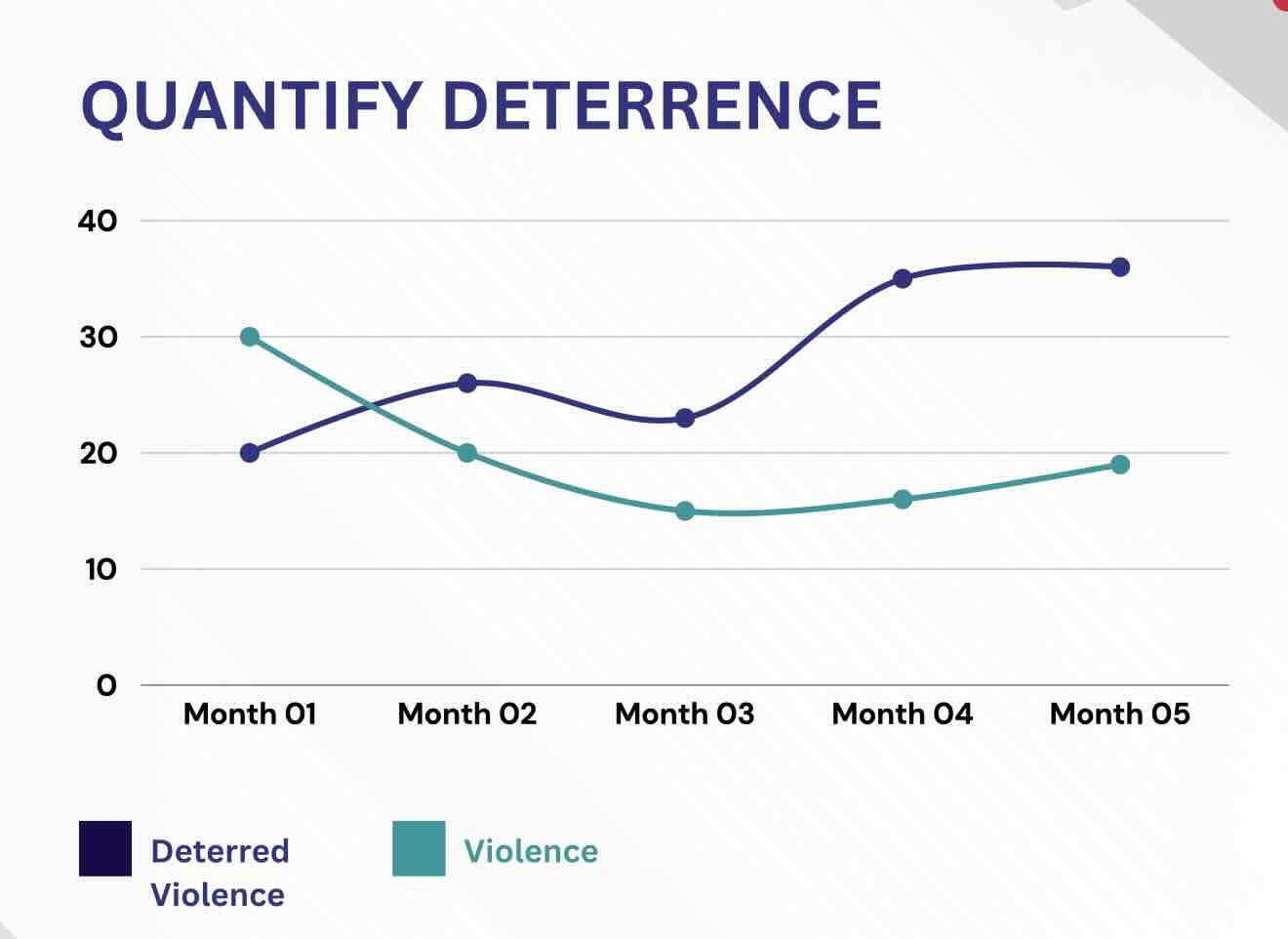
Deterrence Factor Deterrence is the low hanging fruit of security and until now, it’s been hard to quantify. A deterrent is “a measure that discourages, complicates, or delays an adversary’s action or occurrence. Change, delay, or outright abandonment of an attack are all options. Threat shifting, or changes in the location or tactics of an attack (rather than attack abandonment altogether) is also noted.”When asked to help quantify the deterrence factor of a security checkpoint with Athena’s weapons detection software, the team studied many locations and what was happening. While Athena’s software excels at detecting and logging instances where weapons are found, the Athena team’s attention was drawn to a crucial missing piece of the security puzzle: the deterrence factor. The Need For Deterrence Factor Data Deterrence plays a pivotal role in any comprehensive security strategy. However, traditional security systems often lack the ability to quantify how many individuals are deterred from bringing weapons into a facility due to the presence of security measures. This was the challenge faced by a well-known healthcare organization with 55 locations equipped with Athena WDS. Their security executives craved insights into the number of individuals who, upon seeing the system, turned around to remove weapons from their possession before entering. Introducing Athena’s “Turn Around” Feature In response to this need, Athena has co-developed the deterrence factor data point called the “Turn Around” feature. This innovative addition to the WDS empowers organizations to track and analyze the number of individuals who, upon approaching the system, decide against entering the system and instead retreat to secure their weapons elsewhere. How it Works The Athena Concealed Weapons Detection System (WDS) already collects an impressive array of data points during a weapon detection event, including: Pictures of the individual Description of the person’s attire Facial scan data Type of weapon detected Officer’s report Picture of the weapon Contact information for item retrieval With the “Turn Around” feature, a new data point is added to this comprehensive collection. When an individual approaches the WDS but does not pass through, the system registers this as a “turn around.” This data is then logged and made available for analysis. Unveiling the Deterrence Factor Surprisingly, the initial results from the healthcare organization revealed that the number of turnarounds in a single month exceeded the number of actual weapon detections. This underscores the significant impact of deterrence and highlights the importance of understanding this aspect of security. Armed with deterrence factor data points, organizations can gain deeper insights into the effectiveness of their security measures. They can identify trends, assess the impact of different security protocols, and allocate resources more effectively to further enhance deterrence and safety. For more information on the concept of deterrence and its effectiveness, refer to this resource: https://nij.ojp.gov/topics/articles/five-things-about-deterrence Conclusion Athena’s deterrence factor feature named “Turn Around” captures a key data point on deterrence which is often overlooked, making Athena’s system more valuable than ever before for any organization. By shedding light on the deterrence factor, it empowers organizations to make

Who Knew Your Driver’s License Held the Key to Tightening Security?

We all know our driver’s licenses are essential for proving our identity and age. But did you know they can also play a crucial role in safeguarding your business, school, hospital or event? It’s true! By integrating driver’s license scanning into your security arsenal, you can unlock a wealth of information that helps protect your people and property. Beyond Age Verification: Yes, driver’s license scanning is now added to Athena’s Weapons Detection and is a quick and easy way to confirm if someone is old enough to enter your casino, bar or purchase age-restricted products. But that’s just the tip of the iceberg. By leveraging advanced scanning technology like Athena Security’s weapons detection system, you can: Identify Unwanted Guests: Instantly check if a visitor is on your internal watchlist of known troublemakers, Bolo’s, banned individuals, or persons of interest. No more relying on memory or outdated photos – get real-time alerts and keep those who shouldn’t be there out. Uncover Hidden Threats: For businesses like hospitals or event venues, optional external database checks can reveal criminal records, watchlists, and even potential child predators. This added layer of protection can be invaluable in safeguarding vulnerable populations. Enhance Situational Awareness: Quickly access detailed notes associated with flagged individuals, giving your security personnel valuable context and enabling them to make informed decisions. The Power of Information:Knowing who is entering your premises is half the battle. With comprehensive driver’s license scanning, you gain: Faster, More Efficient Check-Ins: Scanning a license takes mere seconds, allowing for smoother entry processes and reduced wait times. Centralized Data Management: Keep all visitor information organized and accessible within a single, integrated system for easier monitoring and analysis. Adaptability: Customize the system to fit your specific security needs, whether it’s scanning everyone who enters or focusing on potential threats. It’s Not Just About Compliance: While ensuring compliance with age restrictions is crucial, the benefits of driver’s license scanning extend far beyond that. By harnessing this technology, you’re not just checking boxes – you’re proactively safeguarding your community. Ready to Unlock the Power of Your Driver’s License? Note: Discover how Athena Security’s advanced weapons detection system, equipped with driver’s license scanning, can revolutionize your security protocols. Contact us today to learn more and explore the hidden potential of this simple yet powerful tool. Watch Video: Drivers license Scanning on Concealed Weapons Detection System to help keep your visitors safer  

Download Now