Airports face unprecedented security challenges while maintaining operational efficiency. Traditional metal detectors create bottlenecks, generate false alarms, and struggle with high traffic areas. We deliver AI-powered weapons detection that screens passengers at extremely high throughput while reducing nuisance alarms.
Highlights:
Screens 2000+ passengers per hour seamlessly
Detects concealed weapons metal detectors miss
Integrates with existing airport security infrastructure
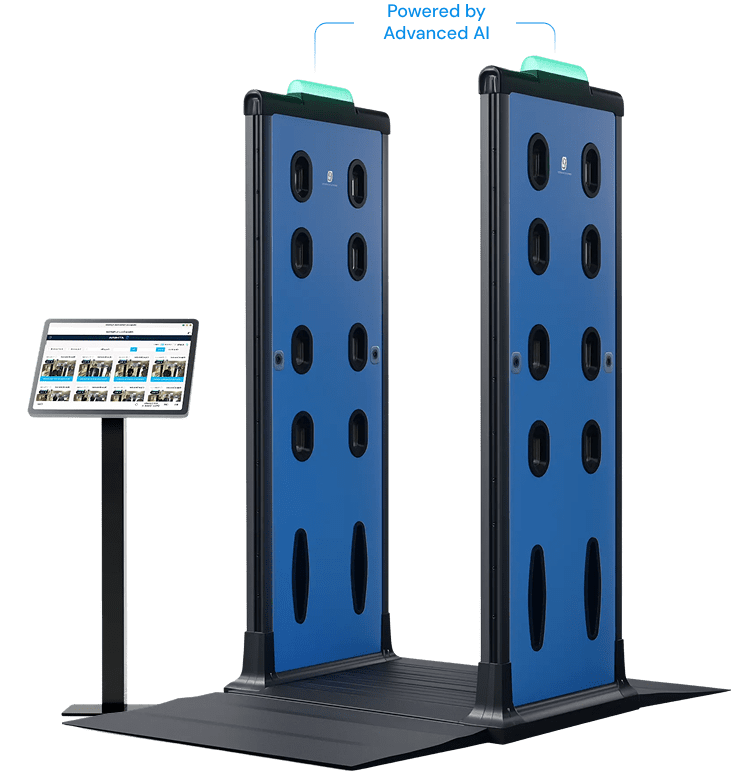

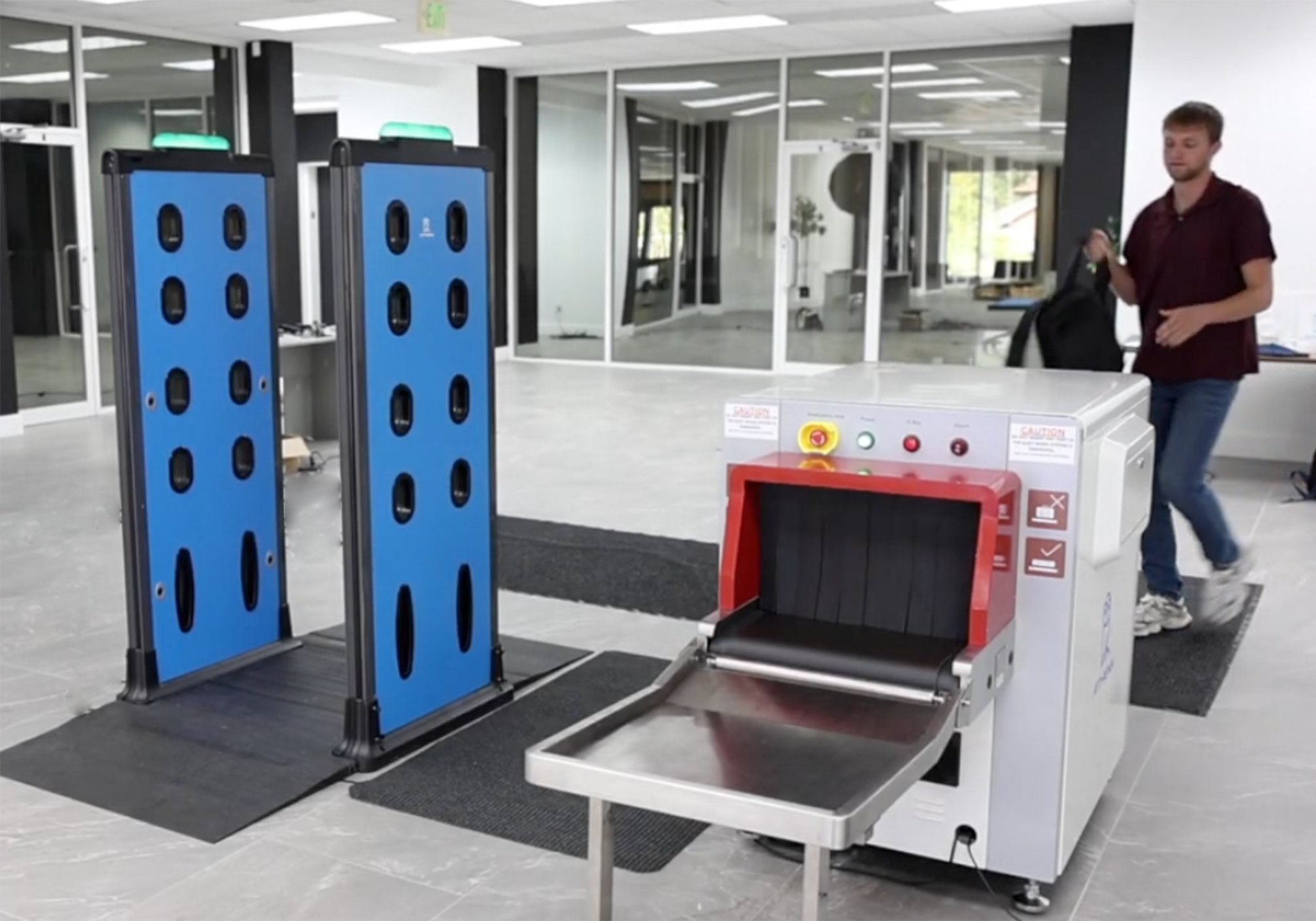
Athena Security has deployed weapons detection systems across high-security facilities nationwide since 2018, including government buildings, mass transit hubs, and critical infrastructure. Our technology is trusted by federal agencies including the U.S. Army and Air Force, and we’re NDAA compliant.
Unlike traditional metal detectors that disrupt passenger flow and overwhelm security personnel with constant false alarms, our AI-powered platform screens passengers as they walk through at normal speed. Your security teams receive instant threat detection alerts only when genuine threats are identified.
Our weapons detection system screens passengers and their bags without physical contact or intrusive pat-downs. Airports, mass transit stations, and public spaces use this technology to detect both ferrous and non-ferrous threats, including high caliber assault weapons.
The system combines walkthrough detection hardware with patented AI software to distinguish between everyday items and actual threats. When a weapon is detected, security personnel receive real-time alerts with visual confirmation, enabling immediate response without disrupting innocent travelers.
Our AI X-ray system uses computer vision to detect threats in baggage screening, identifying firearms, knives, ammunition, explosives, and prohibited items in real time. Airport security checkpoints benefit from automatic screening that catches threats human operators might miss.
The AI analyzes acoustic and optical signals from X-ray scans, differentiating organic materials from inorganic threats. Belt stop technology automatically halts the conveyor when a weapon is detected. Your security staff receives instant alerts, and the system continuously learns to improve accuracy.
AthenaVision AR alert glasses provide security personnel with hands-free threat notifications directly in their field of vision. Officers monitoring multiple airport checkpoints receive instant alerts from the weapons detection system and X-ray screening without looking away.
The augmented reality display shows threat location, type, and visual confirmation discreetly, allowing officers to respond quickly while maintaining situational awareness. When managing large crowds during busy travel periods, security teams stay connected to all screening systems simultaneously.
Athena delivers capabilities other security solutions cannot match. Our platform addresses real-world challenges security personnel face while helping organizations meet federal compliance requirements.
Most weapons detection vendors lock you into proprietary equipment. That means limited choices and potential vendor dependence for years. Athena’s platform works with Apollo 500, Apollo 650, CEIA Opengate, Garrett, and Metrasens Ultra systems. You select hardware that matches your throughput requirements, budget constraints, and facility layout.
Athena is the only platform designed specifically around Department of Homeland Security best practices for patron screening. The system digitizes and enforces guidelines including documentation requirements, testing protocols, and secondary screening procedures. When auditors arrive, you have complete documentation.
We pioneered and patented technology that detects visitors attempting to bypass screening entirely. Traditional metal detectors only monitor the portal itself. Our computer vision algorithms monitor the entire screening area continuously. When individuals attempt to evade detection, security staff receive instant notifications. This proactive threat detection catches attempts other gun detection systems miss completely.
While competitors offer point solutions, Athena integrates weapons detection with visitor management, AI X-ray screening, telepresence security, and augmented reality alert glasses. When the X-ray system detects a threat, it automatically alerts AR glasses and triggers personalized hologram instructions. That integration creates layered security measures traditional systems cannot provide.

Security leaders at Duke Health, Memorial Hermann, and Lamar Consolidated ISD trust Athena to protect their people. See why hospitals, schools, and government buildings choose our platform. Book a 30-minute demo and we’ll show you exactly what our concealed weapons detection system can do for your facility.
You schedule a consultation, and we listen. Our specialists respond within 24 hours to understand your airport’s specific security needs, passenger volume, and checkpoint configuration.
We visit your facility to assess entry points, traffic patterns, and system integration. Your operations continue without interruption while we analyze throughput requirements and existing infrastructure.
You receive a detailed proposal with ROI projections, DHS compliance documentation, and answers to all your questions before you commit. We explain how the system maintains safety while improving passenger experience.
We install during off-hours so your airport stays fully operational. Our team integrates seamlessly with your existing security systems, access control platforms, and monitoring infrastructure.
Your security team gets comprehensive training on threat detection, alert response, and system monitoring. We stay on-site for two days post-installation and provide 24/7 support to ensure smooth operations during all phases of implementation.
Airport security requires balancing rigorous threat detection with operational efficiency and passenger satisfaction. Traditional approaches create friction between these competing demands, forcing security teams to choose between thoroughness and passenger flow.
Traditional metal detectors can create 15-20 minute queues during peak hours, causing missed flights and passenger frustration.
Our passive screening processes up to 2000+ passengers per hour.
Metal detectors trigger alarms for phones, watches, belts, and medical devices, requiring constant security intervention and pat-downs.
AI-powered detection distinguishes between threats and everyday items, reducing false alarms while catching actual weapons.
Multiple checkpoints and entry points require extensive staffing, but budget constraints leave coverage gaps during shift changes.
One monitoring station covers all checkpoints simultaneously, with AI prioritizing real threats so security responds only when needed.
Traditional metal detectors miss ceramic weapons, 3D-printed firearms, and carefully concealed items positioned to avoid detection.
Advanced algorithms analyze body position and hidden objects using multiple sensor types to catch threats that evade conventional screening.
Staffing every checkpoint 24/7 with trained security personnel creates unsustainable labor costs, especially during overnight hours.
Automated screening helps reduce staffing requirements while improving detection accuracy, reducing operational costs without compromising safety.
Invasive screening procedures, long queues, and frequent pat-downs create negative experiences that reflect poorly on airport operations.
Seamless, contactless screening maintains security without degrading passenger experience or creating the appearance of excessive security measures.
Many airport administrators delay security upgrades, hoping existing metal detectors and standard procedures remain adequate despite evolving threats.

Airports without modern threat detection face devastating liability after security breaches. Settlements average $10-50 million per incident, and insurers exclude coverage for facilities using outdated screening technology.
Traditional screening requires excessive staffing during peak hours. You spend 40-60% more on security personnel versus AI-powered facilities. Overtime costs and constant false alarms drain budgets without improving actual threat detection.
TSA and DHS continuously strengthen security standards for commercial airports. Facilities without advanced threat detection face intensified audits, mandatory improvement plans, and operational restrictions that threaten revenue streams and growth.
Security incidents generate immediate negative coverage and lasting damage. Competing airports with advanced security capture business from airlines prioritizing safety, permanently shifting market share in competitive aviation markets.
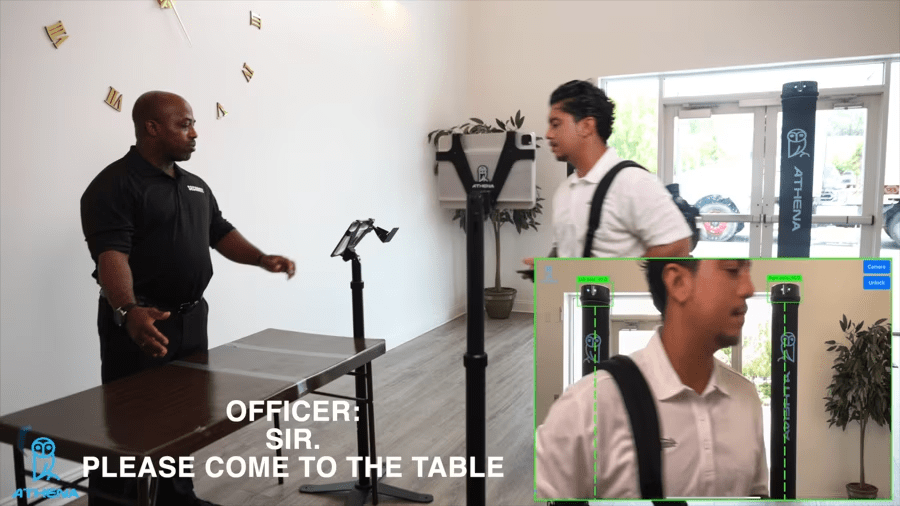
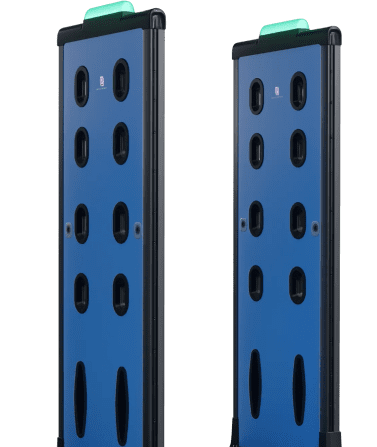
The device uses low-frequency electromagnetic technology, dynamic non-contact detection, and meets EMC electromagnetic radiation standards. It is safe for pregnant women, children, and other humans, as well as pacemakers and electronic devices.
EN 45502-2-1:2003. (Cardiac pacemakers)
EN 45502-2-2:2008. (Implantable defibrillators)
ISO 14117:2019. (Cardiac pacemakers, cardioverter defibrillators, cardiac resynchronization devices)
ISO 14708-1:2014 (Implants for surgery)
ISO 14708-2:2019 (Cardiac pacemakers)
ISO 14708-3:2017 (Implantable neurostimulators)
ISO 14708-4:2008 (Implantable infusion pumps) ISO 14708-5:2020 (Circulatory support devices) ISO 14708-6:2019 (Implantable tachyarrhythmia treatment devices) ISO 14708-7:2019 (Cochlear implants, auditory brainstem implant systems)
Athena protects 500+ facilities across the United States. Our AI-powered gun detection system helps security teams at leading organizations create safer environments.
Duke Health deployed our weapons detection platform across 21 screening locations. Memorial Hermann relies on our technology at facilities across Houston. Lamar Consolidated ISD installed 24 systems throughout their school district. Jefferson Regional Medical Center, Franciscan Health Olympia Fields, Indiana Regional Medical Center, and Parkwest Casino chose Athena for integrated entryway security.

Costs vary based on checkpoint configuration, passenger volume, and integration requirements with existing security infrastructure. We provide free security assessments to recommend the right solution for your budget and operational needs. Most airports see ROI within 12-18 months through reduced staffing costs and improved screening efficiency while maintaining safety.
We’re the only weapons detection platform designed around Department of Homeland Security best practices with hardware-agnostic technology. Unlike competitors who lock you into proprietary systems, our platform works with Apollo, CEIA, Garrett, and Metrasens detection hardware. Plus, our patented AI evasion detection catches bypass attempts that other systems miss completely.
Yes. Our platform integrates seamlessly with existing video management systems, access control platforms, alarm systems, and security operations centers. We connect via standard APIs and support both iOS operating systems and browser-based monitoring. Integration happens without disrupting current operations or requiring infrastructure replacement.
Implementation typically takes 2-4 weeks depending on the number of checkpoints and integration complexity. We install during off-hours to avoid disrupting passenger screening operations. Larger airports with multiple terminals may require phased deployment, but each checkpoint becomes operational within days of installation with full training provided.
Yes. Our multi-sensor approach detects both ferrous and non-ferrous threats including ceramic knives, 3D-printed firearms, and composite weapons. The AI analyzes body position, concealment patterns, and material signatures that traditional metal detectors can’t identify. We catch threats specifically designed to evade conventional screening technology.
No. Our system actually reduces wait times compared to traditional metal detectors. Passengers walk through at normal speed without stopping, divesting items, or waiting for alarm resolution. The screening process maintains an extremely high throughput of 2000+ people per hour while automated threat detection helps eliminate the bottlenecks created by constant false alarms.
Our AI-powered system delivers threat detection accuracy while reducing false alarms compared to traditional metal detectors. The technology continuously learns from every scan, improving performance over time. Independent testing confirms our detection rates exceed traditional approaches while dramatically reducing the nuisance alarms that overwhelm security teams.
Yes. Our platform is NDAA-compliant and has been deployed by federal government clients, including the U.S. Army and Air Force. The system is designed around DHS best practices, including documentation requirements, testing protocols, and compliance procedures. We provide all documentation needed for TSA audits and regulatory compliance verification.
Security personnel receive instant alerts on tablets, mobile devices, and AR glasses with visual confirmation of the threat location. The alert includes a detailed view of the detected item, the person’s body position, and recommended response protocols. Officers can review the threat, verify the alert, and respond appropriately without creating unnecessary passenger confrontation.
Absolutely. Our technology excels at efficiently screening large volumes of passengers during peak periods. The system maintains consistent detection accuracy regardless of throughput, and automated threat identification prevents the security staff fatigue that compromises traditional screening during busy periods. Multiple checkpoints can be monitored from a single operations center, ensuring comprehensive coverage during demand surges.
You need a platform that catches threats before they enter your facility. Athena’s AI-powered system works with the hardware you choose while adding intelligent oversight that traditional metal detectors lack. Our technology helps you meet DHS best practices, reduce staffing gaps, and document every screening for compliance auditing.