Your security teams need documented proof they followed procedures. Athena’s compliance reporting automates audit trails without adding paperwork.
Modern weapons detection system compliance reporting captures every screening, test, and incident automatically. Security personnel focus on detecting concealed weapons while the platform documents procedures and maintains operational efficiency.
Security teams at healthcare facilities, educational institutions, and critical infrastructure facilities face increasing regulatory requirements. Manual documentation takes time away from threat detection and creates gaps in audit trails. When incidents occur, organizations must prove security personnel followed proper procedures.
Traditional metal detectors provide basic alarms but no documentation. Security teams manually log prohibited items, record equipment testing, and document secondary inspections. This time consuming process introduces human error. Walk through metal detectors detect weapons but don’t prove your team responded correctly.
Athena’s weapons detection technology captures compliance data automatically during normal security operations. When security personnel screen individuals, the detection system logs every event with timestamps, locations, and outcomes.
The system integrates with existing camera infrastructure to provide visual evidence of screening procedures. Video feeds synchronize with detection events, creating comprehensive records. Compliance reports generate automatically for management review without manual compilation.

Automated Compliance Components:
Prohibited items logging with photos and timestamps
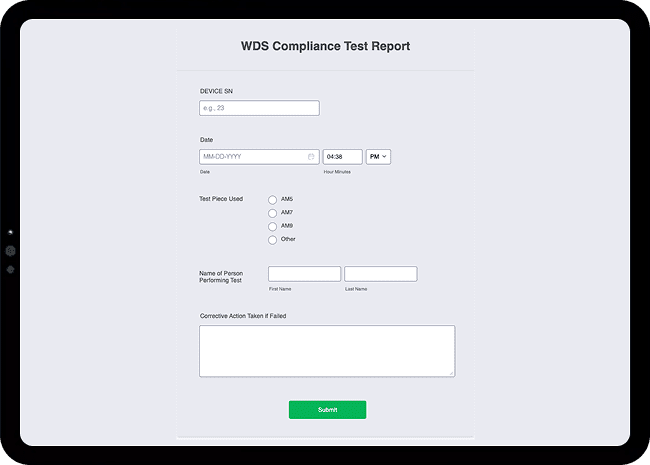
Equipment testing documentation and schedules
Security officer check-in tracking
Incident reports with video evidence
Trend analysis and threat assessment data
Automatically capture details about prohibited items discovered at entry points. The system logs item descriptions, locations, detection times, and images. Security personnel confirm findings through tablets, creating complete records. This reduces time consuming manual logging.
Monitor security officer presence and response times through check-in reporting. The system identifies when personnel are at stations and tracks how they handle alerts. This continuous monitoring ensures adequate coverage at high traffic areas.
Analyze patterns in threat detection across facilities and time periods. Identify locations with higher detection rates, times when threats increase, and types of weapons most commonly detected. These insights help security teams adjust staffing and prevent violence.
Track weapons detection system performance through automated testing logs. Document test dates, times, locations, and pass/fail results. The platform reminds security teams when testing is due and records results automatically.
Record complete incident timelines from initial detection through resolution. Capture alert delivery times, security personnel response actions, and outcome documentation. Integration with existing captured imagess provides visual evidence.
Track false positives to improve detection accuracy and operational efficiency. Document what triggered alarms and how security personnel resolved them. This data helps refine detection thresholds and streamline operations.
Duke Health, Memorial Hermann, and Lamar Consolidated ISD use Athena’s compliance reporting across multiple facilities. See how automated documentation eliminates manual paperwork while ensuring audit readiness. Book a 30-minute demo and we’ll show you real compliance dashboards.
Security personnel focus on detecting weapons instead of completing paperwork. The system captures compliance data automatically during screening operations. This improves operational efficiency by eliminating time consuming documentation tasks.
Demonstrate adherence to federal standards through comprehensive audit trails. Automated reports show equipment testing schedules, security personnel training completion, and proper procedure execution. This documentation satisfies auditor requirements.
Automated data capture eliminates mistakes caused by manual logging. The system records exact timestamps, locations, and outcomes without transcription errors. AI systems verify data accuracy and flag inconsistencies for review.
Analyze detection patterns to understand evolving security challenges. Reports show where genuine threats appear most frequently and how threat levels change over time. Security teams use these insights to enhance security measures.
Complete documentation protects organizations during investigations. Records prove security personnel followed established procedures when responding to incidents. Video evidence synchronized with detection logs provides comprehensive proof.
Healthcare facilities need compliance documentation to satisfy Joint Commission requirements and state regulations. Hospitals must prove their weapons detection systems operate correctly and security teams respond appropriately. Duke Health and Memorial Hermann use automated compliance reporting across multiple locations.
Educational institutions protect students through documented security procedures. School districts must demonstrate proper weapons screening at entry points and swift response to potential threats. Lamar Consolidated ISD uses Athena’s reporting across 24 systems.
Casinos require comprehensive compliance documentation for gaming licenses and insurance requirements. Gaming facilities must prove their weapons detection technology operates effectively while maintaining efficient entry for large crowds. Parkwest Casino uses Athena’s platform to balance security documentation with visitor experience.
Invite local law enforcement officers to conduct site assessments and provide training. Share building diagrams, access control information, and security camera locations with local police departments.
Athena’s security intelligence platform is designed to help organizations prepare for and support multiple compliance frameworks through built-in reporting, audit documentation, and operational workflow tools. Rather than requiring separate compliance systems, Athena unifies compliance support directly into the day-to-day screening and security operations workflow. Key compliance frameworks and initiatives Athena helps support include:
Athena helps enterprise customers move beyond reactive security operations into a proactive compliance-ready security intelligence platform
Athena’s security intelligence platform is designed to automatically capture and centralize compliance documentation as a natural byproduct of day-to-day screening operations — reducing manual paperwork burden while creating comprehensive and audit-ready operational records. Rather than requiring security teams to separately manage compliance documentation alongside active screening responsibilities, Athena builds documentation directly into every operational workflow. Key compliance documentation capabilities include:
Automated Screening Documentation:
Incident and Escalation Documentation:
Enterprise Audit and Compliance Reporting:
This unified approach helps enterprise customers demonstrate consistent procedure adherence, support regulatory preparation, and maintain audit readiness across every entry point and every shift
Athena’s security intelligence platform automatically maintains a comprehensive library of compliance records designed to support audit readiness, regulatory preparation, and operational accountability across every entry point and every shift. Rather than relying on manual record-keeping, Athena captures and centralizes compliance documentation as a natural part of day-to-day security operations.
Prohibited Item and Threat Documentation:
Officer Activity and Accountability Records:
Equipment Testing and Maintenance Records:
Incident and Escalation Documentation:
Visitor Screening and Intelligence Records:
Enterprise Audit and Compliance Reporting:
This unified compliance record framework helps enterprise customers demonstrate consistent procedure adherence, support regulatory preparation, and maintain audit readiness across single and multi-site deployments.
Athena’s security intelligence platform is designed to automatically capture and centralize compliance documentation as a natural byproduct of day-to-day screening operations — fundamentally changing how security teams manage compliance recordkeeping. Rather than requiring officers to manually complete paperwork after every screening event, incident, or equipment test, Athena builds documentation directly into every operational workflow so records are created automatically, consistently, and accurately in real time.
Automated Record Creation:
Consistency and Accuracy Improvements:
Enterprise Efficiency Advantages:
This unified approach helps enterprise customers demonstrate consistent procedure adherence, reduce administrative burden on security teams, and maintain audit readiness across every entry point and every shift without adding operational complexity
Yes, Athena’s reporting capabilities include extensive customization options to address specific organizational needs and regulatory requirements, with templates available for common compliance frameworks and the ability to create organization-specific report formats.
You need weapons detection compliance reporting that proves security teams followed procedures without creating paperwork burdens. Athena’s platform captures comprehensive audit trails automatically while security personnel focus on detecting concealed weapons and responding to potential threats.