Healthcare facilities face a unique challenge: protecting patients, staff, and visitors while maintaining the welcoming environment essential to healing. Athena Security delivers AI-powered weapons detection systems purpose-built for healthcare environments, screening everyone without bottlenecks or staff intervention.
Highlights:
Screens 2000+ people per hour
Reduces false alarms compared to metal detectors
One operator monitors all entry points simultaneously
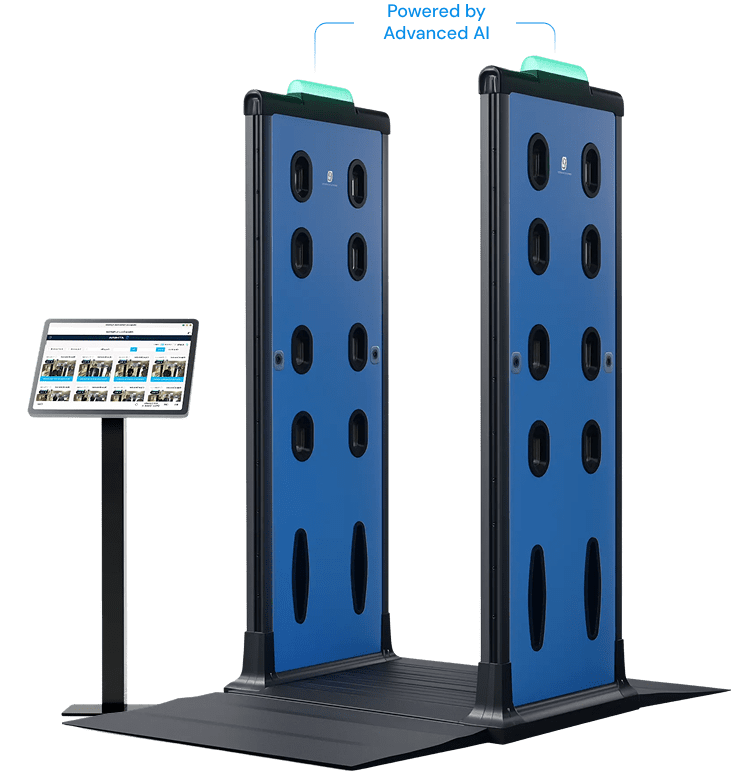

Athena Security has deployed weapons detection systems in over 500 healthcare location facilities nationwide since 2018. Major hospital networks including Duke Health, Memorial Hermann, and Franciscan Health trust our AI-powered technology to screen millions of visitors annually.
Unlike traditional metal detectors that disrupt patient flow and create false alarms from medical devices, our system distinguishes between genuine threats and wheelchairs, IV poles, and personal belongings. Your security teams stay focused on actual threats while patients move through at normal walking speed.
Our weapons detection system screens every person entering your healthcare facility without requiring them to stop, empty pockets, or remove medical devices. The platform works with CEIA Opengate, Apollo, Garrett, and Metrasens hardware, giving you flexibility in your security infrastructure.
The system uses low-frequency electromagnetic technology to analyze people as they walk through at normal speed. When a potential threat is detected, security personnel receive alerts with visual verification and location.
Our AI X-ray technology adds computer vision to baggage screening at healthcare facility entry points and parking garage checkpoints. The system detects firearms, knives, ammunition, and emerging threats including 3D-printed weapons in real time.
The AI runs locally on Apple iPad Pro devices for faster threat detection without network latency. If an operator steps away from the X-ray station, continuous presence monitoring automatically locks the system and shuts down radiation exposure. This protects both visitors and ensures compliance with healthcare safety regulations.
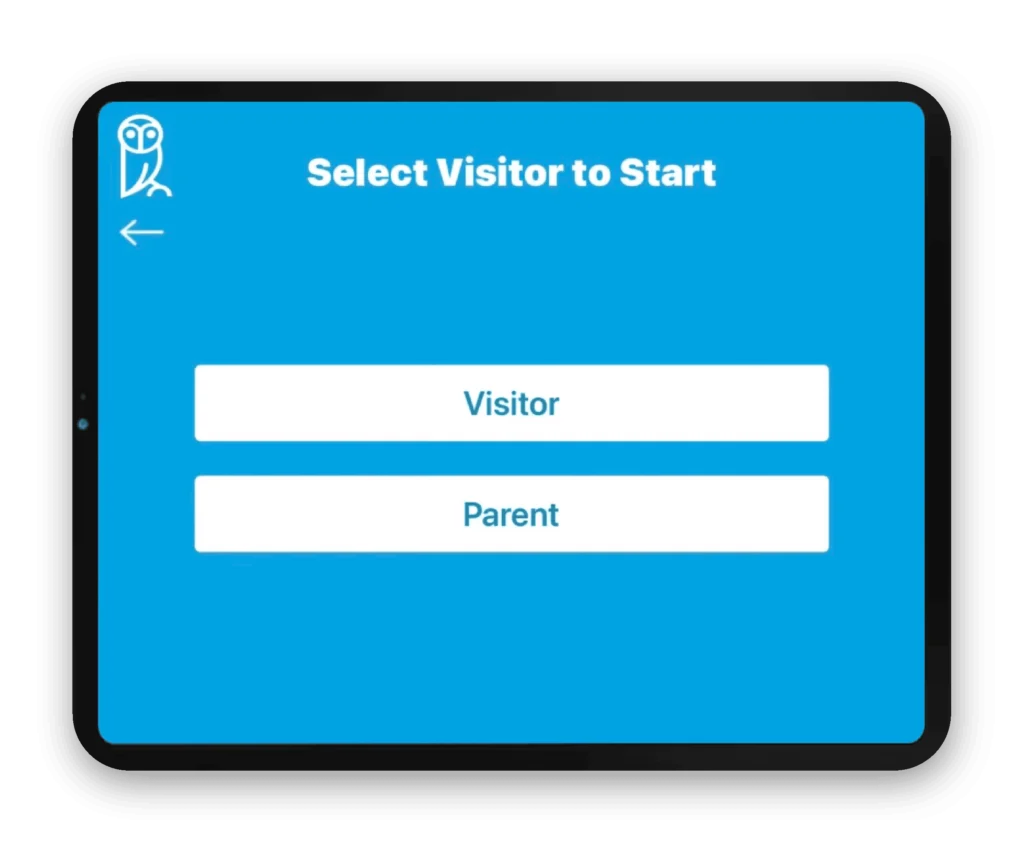
Healthcare facilities need more than weapons detection. Our visitor management platform integrates check-in, credentialing, and watchlist screening into a unified solution. Epic integration ensures seamless coordination with your electronic health records system.
The platform maintains always-on offline capability, functioning during internet outages, power failures, and natural disasters. Data syncs automatically when connectivity returns, ensuring your healthcare facility never loses visitor security during emergencies.
Athena’s secondary screening weapons detection helps security teams resolve alerts when a weapons detection event requires follow-up. The system gives officers a faster, less invasive way to screen bags, boots, and concealed items without relying on unnecessary physical searches.
Healthcare facilities use Secondary Screening WDS™ to support consistent follow-up procedures at emergency departments, main entrances, ambulance bays, and other high-risk access points. The process helps reduce disruption for patients and visitors while giving security teams better documentation, confidence, and control during secondary screening.
One remote security operator can monitor up to four entry points simultaneously using our holographic telepresence technology. Life-size interactive displays project virtual security personnel at checkpoints, greeting visitors in multiple languages.
This workforce multiplier technology addresses the ongoing staffing shortages affecting most hospitals and healthcare organizations. You maintain 24/7 security coverage at multiple locations without the total cost of full-time personnel at every checkpoint.
You schedule a consultation, and we listen. Our healthcare security specialists respond within 24 hours to understand your facility’s specific entry points, patient flow patterns, and regulatory requirements.
We visit your healthcare facility to assess traffic volumes, integration needs with existing systems, and optimal placement for weapons detection equipment. Your operations continue without interruption during the evaluation.
You receive a detailed proposal with ROI projections, DHS compliance documentation, and staffing impact analysis. We answer all your questions and address concerns from security teams, administration, and clinical leadership before you commit.
We install during off-hours so your healthcare facility stays fully operational. Our team integrates seamlessly with your video management, access control, and electronic health records systems. No disruption to patient care or visitor access.
Your security personnel receive training on system use, alert response, and day-to-day security workflows. After installation, our team provides launch support and ongoing technical assistance to help your facility operate with confidence.
Healthcare professionals face unique security challenges that traditional metal detectors and security technology cannot address. Your teams need solutions that protect patients, staff, and visitors without creating the institutional feel that contradicts healing environments.
Metal detectors can create a 10-15 minute wait times at hospital entrances during peak visiting hours, frustrating families and delaying access to patients.
Our passive screening processes 2000+ people per hour with less wait times. Patients and visitors walk through at normal speed while AI monitors for concealed threats.
Traditional metal detectors trigger constant alarms for wheelchairs, walkers, insulin pumps, and medical equipment, requiring security operators to intervene repeatedly.
AI-powered detection distinguishes between medical devices and genuine threats, reducing false positives while maintaining high accuracy for actual weapons.
Most hospitals have multiple entry points but cannot staff security personnel at every door without significant cost increases and staffing challenges.
One monitoring station covers all entry points simultaneously. Our telepresence technology lets two officers secure an entire campus that previously required eight full-time positions.
Healthcare workers experience violent incidents 12 times more frequently than other occupations, yet many threats enter facilities undetected by outdated security systems.
Real-time threat detection alerts security teams before weapons reach patient care areas. Our system provides immediate response capability and documented compliance with safety regulations.
Emergency departments must stay accessible 24/7 yet face the highest risk of violent incidents and weapons entry into healthcare settings.
Weapons detection integrates with automatic door controls and video surveillance for coordinated security response. Security personnel receive instant alerts without blocking emergency access.
Healthcare institutions face increasing regulatory requirements for weapons screening and visitor management while lacking cost-effective implementation solutions.
Our platform documents every screening event, maintains prohibited items logs per DHS 14.2.2, and generates compliance reports for Joint Commission and CMS audits.
Many healthcare administrators delay security upgrades, hoping current measures are adequate or waiting for the right budget cycle. But every day without modern weapons detection exposes your facility to preventable risks. The costs of inaction compound quickly, affecting everything from staff retention to patient volumes to regulatory compliance.

The American Hospital Association estimates that workplace and community violence cost U.S. hospitals 18.27 billion in 2023. Hospitals liability insurance premiums increase annually, and carriers now require documented security measures.
Healthcare workers experience workplace violence 12 times more than other occupations. Nurses and physicians now factor safety into employment decisions. 45% of healthcare workers say they're likely to leave within 12 months due to safety concerns and replacement costs averaging $61,110 per nurse position.
Joint Commission and CMS strengthen security standards annually. Facilities lacking documented threat prevention risk accreditation delays, Medicare penalties, and failed audits. California AB 2975 now requires hospital weapons detection by 2027 with significant fines for non-compliance.
Security incidents spread through community networks within 48 hours. Competing facilities with visible safety measures capture your referrals permanently. Emergency department revenue declines as patients divert elsewhere, costing hospitals $2-3 million annually in lost admissions.
Costs vary based on your facility size, number of entry points, and integration requirements with existing security systems. We provide free security assessments to recommend the right solution for your budget. Most healthcare facilities see ROI within 18 months through reduced staffing requirements, lower liability insurance premiums, and improved operational efficiency. Contact us for a customized proposal with detailed cost analysis.
Our platform designed around Department of Homeland Security best practices specifically for healthcare environments. Our AI-powered system works with multiple hardware options including CEIA, Apollo, Garrett, and Metrasens, giving you flexibility competitors cannot match. We’ve deployed in over 500 healthcare location facilities and maintain always-on offline capability critical for hospitals.
Yes. Our platform integrates seamlessly with major video management systems, access control platforms, and electronic health records including Epic. We connect to your existing security infrastructure without requiring complete replacement. The system sends real-time alerts to tablets, smartphones, and security operations centers. Integration typically completes during the two-day on-site support period following installation.
Most healthcare facilities complete installation within 2-4 weeks from contract signing to full operation. Timeline depends on your entry point configuration, integration complexity with existing systems, and any construction requirements. We schedule installation during off-hours to avoid disrupting patient care. Our team stays on-site for two days post-installation to ensure security personnel are fully trained and systems operate correctly.
If your facility experiences more than 50 visitors daily per entry point, employs clinical staff in emergency or behavioral health departments, or faces regulatory pressure to enhance security measures, weapons detection delivers significant value. Healthcare organizations in urban areas or those with previous security incidents should prioritize implementation. Schedule a free security assessment to evaluate your specific risk factors and compliance requirements.
We provide comprehensive on-site training for all security teams and operators during the two-day post-installation period. Training covers threat detection protocols, system monitoring, incident response procedures, and DHS compliance documentation. After installation, you receive 24/7 technical support through our dedicated healthcare client line. We also provide quarterly system updates and annual compliance reviews to ensure your facility maintains regulatory standards.
Our passive screening eliminates the institutional feel of traditional metal detectors. Patients and visitors walk through at normal speed without stopping, emptying pockets, or removing medical devices. The technology works silently in the background, and most people never realize they’ve been screened. Healthcare facilities report improved patient experience scores after implementation because screening eliminates visible security theater and reduces entry point congestion.
Our AI-powered system achieves higher accuracy for threat detection while reducing false positives compared to traditional metal detectors. The technology distinguishes between genuine threats and everyday items including keys, phones, medical equipment, and wheelchairs. We’ve screened millions of visitors across healthcare facilities. The system continuously improves through machine learning, adapting to new threat patterns and reducing false alarms over time.
Yes. Our platform includes H-Shield cybersecurity protection specifically designed for healthcare environments. All visitor data, screening records, and alert information remain encrypted and HIPAA-compliant. The system integrates with Epic and other electronic health records platforms without exposing PHI or PII data. We maintain SOC 2 certification and undergo regular security audits to ensure compliance with healthcare privacy regulations and industry standards.
Yes. Our AI analyzes body positions, object shapes, and electromagnetic signatures to detect both ferrous and non-ferrous weapons including ceramic knives, 3D-printed firearms, and composite materials that bypass traditional metal detection. The system combines visual cameras, thermal imaging, and low-frequency electromagnetic scanning to identify concealed threats regardless of material composition. This comprehensive approach catches weapons that metal detectors miss while eliminating false alarms from medical devices and personal belongings.